A step has a role, not a name
Draw the work around who does it today and the drawing is out of date the day someone leaves.
Meowdy
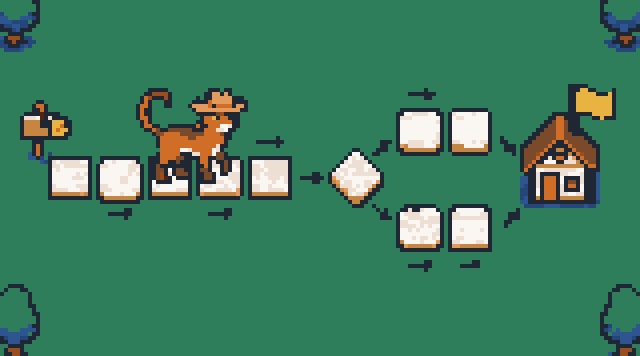
Ask an owner how a job gets done and the answer is usually a list of people. Dana takes the call. Luis writes the quote. Then it goes back to Dana.
That is a true answer, and it is a poor map.
What a name hides
A name tells you who. It does not tell you what has to happen. When Luis is out, nobody is sure whether the quote needs a site visit, a price list, or just Luis.
A name also makes the map personal. Point at a slow step with a name on it and you are pointing at a person. People stop being honest about the step.
Put the role on the step and the conversation is about the work.
What a role shows
A role says what the step needs: someone at the counter, someone who can price a job, someone who can sign. One person can hold three roles. Three people can share one.
Now the map survives a hire, a holiday, and a resignation. It also shows something a list of names never does: the steps where one person holds every role, and the business stops when they do.
How to start
Write the steps of one job, start to finish. Beside each, write what the person doing it has to be able to do. Use that as the role. Add the names last, somewhere else.
Keep reading
ai
A toy shop, a ringing phone, and one step for AI
A made-up toy shop shows how a business finds the one task AI can take, and keeps people on the rest.
Meowdy
measuring
Agree what to count before you change anything
A change with no number agreed ahead of time ends in an argument about whether it worked.
Meowdy